Five Flower Lake - The Crown Jewel of Jiuzhaigou
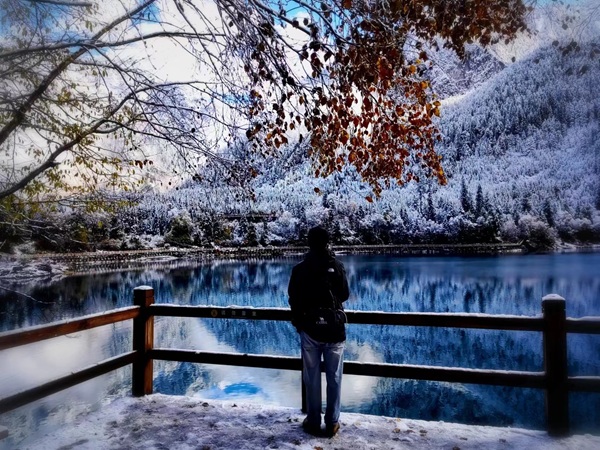
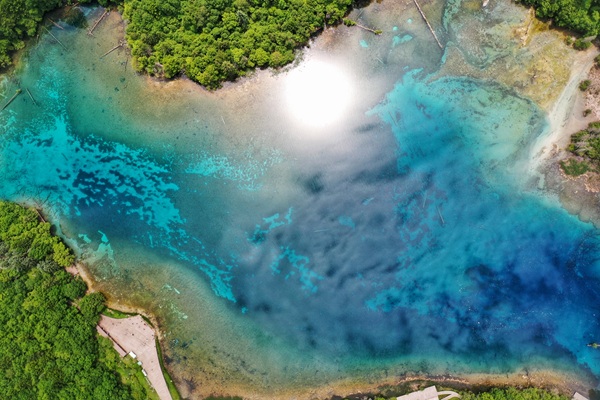
Five Flower Lake, located at an altitude of 2,472 meters in Rize Valley, is the crown jewel of Jiuzhaigou National Park. It lies above Pearl Shoal Waterfall and below Panda Lake in one of the park’s three main valleys. The lake’s shallow zones are mostly under 1 meter, while the average depth reaches around 5 meters, making submerged trunks and mineral patterns clearly visible.
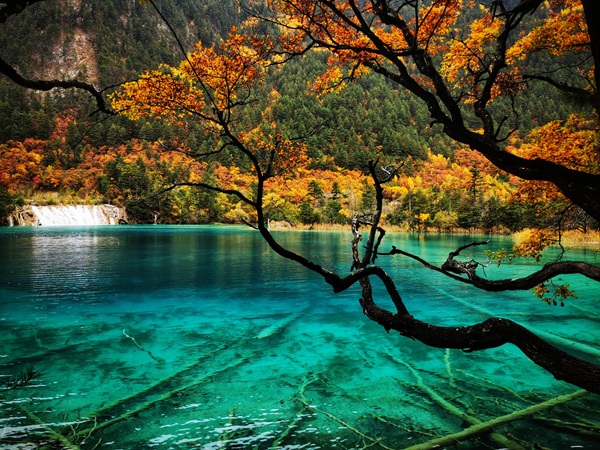
The lake constantly shifts colors depending on sunlight, season, and viewing angle, blending turquoise, emerald, blue, and gold into a natural masterpiece.
The Origin of the Name
The name "Five Flower Lake" (Wuhua Hai) was given by explorers Deng Yi and Tian Shuchang, who observed the lake’s multi-colored waters. They saw silver, light blue to deep blue, tender green to dark green, and lemon yellow to golden brown patches, inspiring the name "Five Flower Lake." Viewed from Tiger’s Mouth, the lake resembles a peacock with open feathers, earning it the nickname “Peacock Lake.” In 1983, the lake became a symbol printed on the first Jiuzhaigou tickets.
Why Five Flower Lake Is So Special
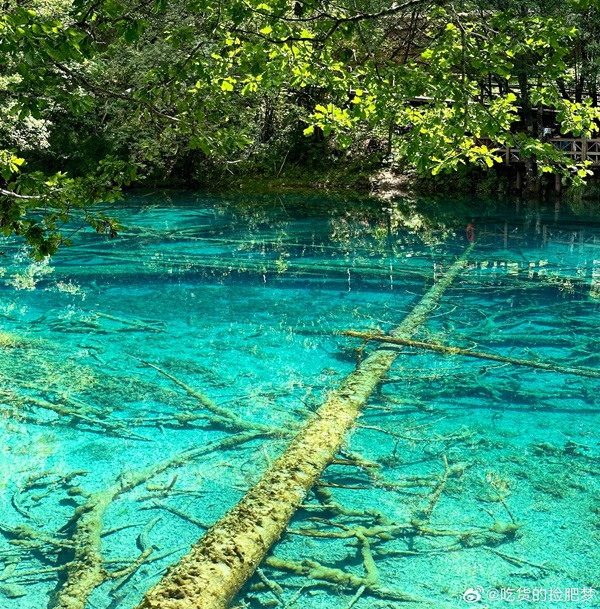
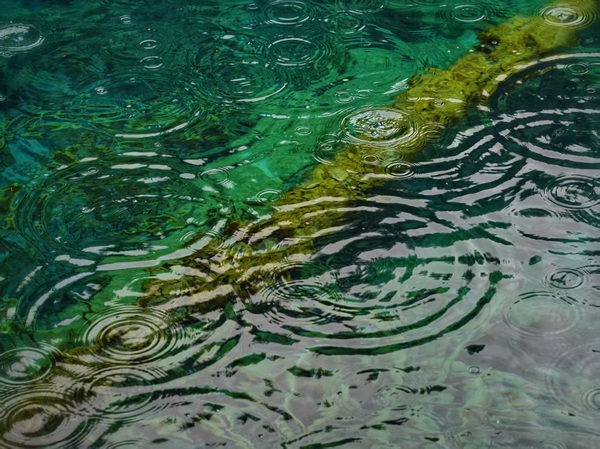
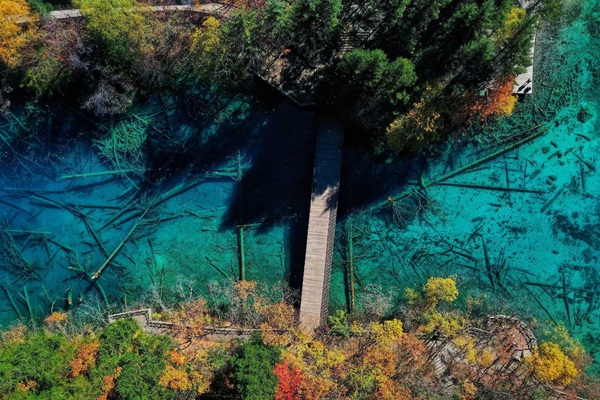
The lake’s submerged forests and branches create a mesmerizing water-bottom spectacle, adding depth and texture to its vibrant colors. Mineral deposits, aquatic plants, and fallen trunks refract sunlight at different depths, producing a constantly changing palette.
Its clarity is extraordinary, allowing visitors to see layers of color and underwater scenery, creating a magical, almost otherworldly effect.
The Cultural Significance
Historically, locals considered Five Flower Lake a "divine pool." Both Han and Tibetan residents would come to draw water and make offerings to show gratitude, reflecting the lake’s spiritual and cultural importance. A local saying goes: “Five Flower Lake is a divine pool. Wherever its water flows, flowers bloom, forests grow, and the land becomes rich and beautiful.”
Best Time to Visit
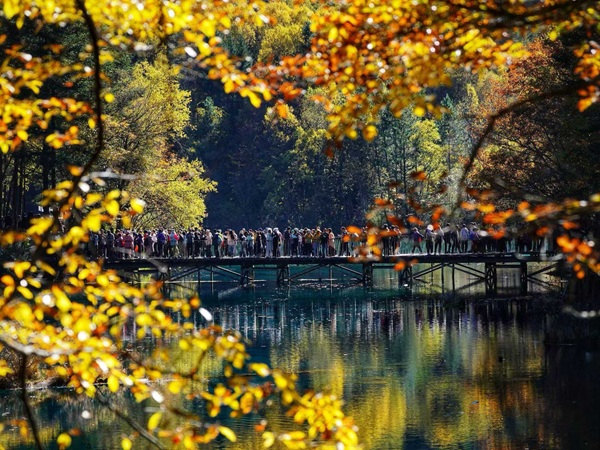
Peak season is September to October, but visitors should book hotels, transportation, and park tickets in advance as crowds can be heavy. To enjoy the lake without the rush, spring, summer, and winter each offer unique experiences: spring brings fresh greenery, summer provides bright, vivid colors, and winter delivers serene, snowy landscapes.
Visiting off-peak ensures better photo opportunities and a more relaxed experience while helping to flatten visitor flow throughout the year.
Photography Tips: Tiger’s Mouth Viewpoint
The best panoramic view is from Tiger’s Mouth (Laohuzui), where the lake’s colors and the underwater forest can be fully appreciated. Visitors can walk uphill from Five Flower Lake or via Panda Lake to reach this viewpoint.
How to Visit
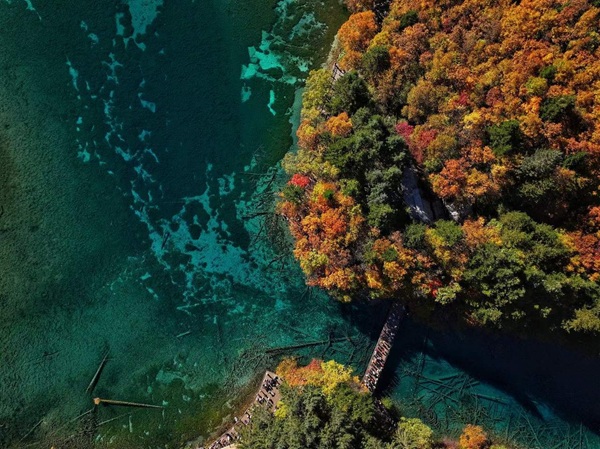
Five Flower Lake is located in Rize Valley and is accessible via park shuttle buses and boardwalk trails. Clear paths guide visitors around the lake while protecting its fragile ecosystem.
Protecting a Fragile Lake
Stay on designated paths and avoid disturbing submerged branches or aquatic plants. The lake’s clarity and colors are fragile; respecting the rules ensures it remains a natural wonder for generations to come.