
Introduction
When people think of Jiuzhaigou, the first image that comes to mind is often the “paradise on earth” with its breathtaking lakes and waterfalls. Yet, this land in Aba Tibetan and Qiang Autonomous Prefecture, Sichuan Province, holds a charm far beyond its natural scenery. Generations of Tibetan inhabitants have infused the landscape with deep cultural meaning. For visitors, exploring Jiuzhaigou’s culture is like opening a window to understand the spirit of its mountains and waters.
Population and Ethnic Composition
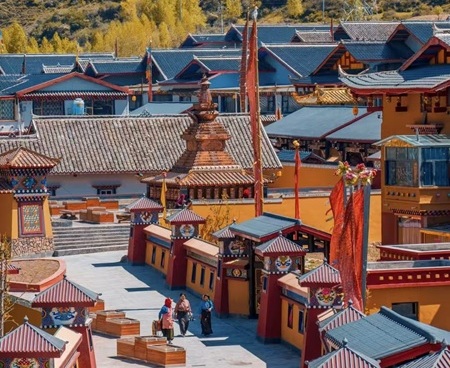
Originally named Nanping County, Jiuzhaigou was renamed after its scenic area gained worldwide fame. The region is home to multiple ethnic groups, with Tibetans forming the majority. Other groups include Han, Qiang, and Hui. In villages within and around the park, such as Heye, Shuzheng, and Zechawa, generations of Amdo Tibetans have lived a life of farming and animal husbandry. Their traditional lifestyle is closely intertwined with the conservation of the natural landscape.
Clothing, Cuisine, and Architecture
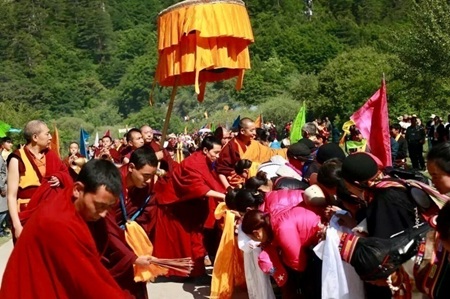
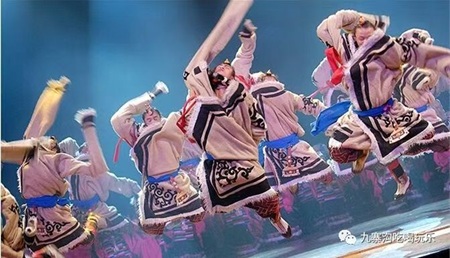
Clothing: Tibetan attire in Jiuzhaigou belongs to the Amdo style, known for its heaviness and vibrant colors. Both men and women wear long woolen robes called chupa, tied with wide colorful belts. Women often adorn themselves with elaborate headdresses made of coral or amber, and necklaces of dzi beads, agate, and turquoise, symbolizing wealth and beauty. During festivals, villagers in their traditional clothing themselves become a moving spectacle in the village.
Cuisine: High-altitude geography shapes local cuisine, favoring high-calorie, preservable foods. The staple is tsampa (roasted barley flour), usually accompanied by butter tea. Visitors may also try yak meat, blood sausage, and barley wine, which is mildly sweet and low in alcohol but leaves a lasting taste.
Architecture: Traditional homes are “wood-and-stone” constructions. Local stones form walls, supported by wooden beams, typically in three stories: livestock on the ground floor, living and sleeping quarters on the second, and storage on the top floor. Roof corners often display prayer flags, fluttering in the wind to carry blessings skyward. While modern buildings exist outside the valley, traditional Tibetan architecture remains carefully preserved within the villages.
Religious Life & Monasteries
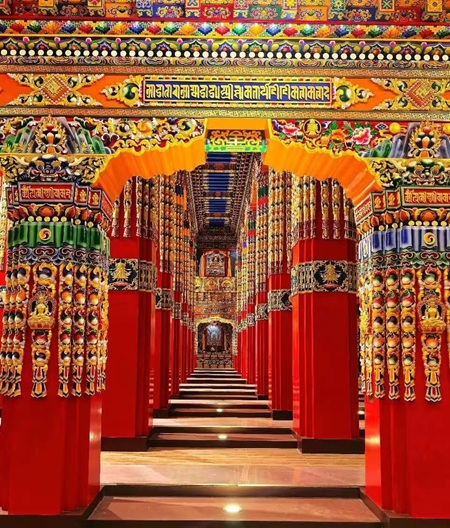
Tibetans in Jiuzhaigou generally follow Tibetan Buddhism (a mix of Bon and Gelug traditions). Religion permeates daily life: nearly every household has a prayer room, and mani walls, prayer wheels, and stupas are common throughout villages. The most notable monastery is Zharu Monastery, located at the park’s Zharu entrance. Important festivals, such as Saga Dawa (fourth lunar month), feature large ceremonies, prayer rituals, and incense offerings. Visitors may witness Tibetans walking clockwise around stupas while spinning prayer wheels, a deeply spiritual sight.
Major Festivals
-
Mazhi Festival (Lunar January 15):
Activities: The most important religious celebration at Zharu Monastery. Monks perform the sacred “Cham” mask dances to ward off evil and bless the community, followed by pilgrims circumambulating the monastery and the “Sun Buddha” ceremony, displaying giant thangka murals.
Highlights: Rich religious atmosphere, colorful Cham masks, giant thangka displays. -
Langza Festival (Lunar March):
Activities: Pilgrims walk around sacred mountains or Zharu Monastery, placing stones at mani walls and reciting prayers. The ritual includes burning pine and cypress branches to purify the environment.
Highlights: Participate in “walking faith,” observe prayer flags adorning the landscape, and feel the harmony between humans and nature. -
Mountain Circumambulation Festival (Lunar April 8):
Activities: Pilgrims walk around sacred mountains or Zharu Monastery, placing stones at mani walls and reciting prayers. The ritual includes burning pine and cypress branches to purify the environment.
Highlights: Participate in “walking faith,” observe prayer flags adorning the landscape, and feel the harmony between humans and nature. -
Xiapa Festival (Lunar June 15):
Activities: A summer festival featuring camping on meadows or in forest clearings, horse racing, singing contests, archery, and evening Guozhuang dances.
Highlights: Enjoy highland meadows, Tibetan-style outdoor celebrations, and cultural interactions. -
Autumn Thanksgiving (Lunar September 8):
Activities: Villagers offer barley and butter to local temples, host feasts, and perform small circumambulation rituals, celebrating harvests.
Highlights: Golden autumn foliage, harvest joy, and authentic Tibetan hospitality. -
Lighting Festival (Lunar October 25):
Activities: Commemorates the passing of Je Tsongkhapa, a Tibetan Buddhist reformer. Families light butter lamps at homes and monasteries, with chanting monks illuminating the valley at night.
Highlights: Serene late-autumn atmosphere, perfect for photography and contemplation.
Experience Tibetan Culture
- Village Homestays: Visit Shuzheng and Heye villages to taste tsampa, yak hotpot, hear traditional songs, interact with locals.
- Monastery Visits: Zharu Monastery welcomes visitors to spin prayer wheels and learn about Bon traditions.
- Performances: Theaters like “Zangmi” or “Jiuzhai Qian Gu Qing” present Tibetan-Qiang myths, costumes, and dances for those with limited time.
Cultural Etiquette & Guidelines
- Circumambulate prayer wheels and stupas clockwise.
- Remove hats in temple halls; avoid loud talking or photographing statues without permission.
- Do not step over prayer flags
- Do not step over prayer flags or cross barriers in sacred areas.
- Ask for permission before photographing people, especially elders and monks.
- Dress modestly when entering monasteries or religious sites.
- Respect local customs during festivals, avoid interfering with rituals.
Conclusion
Jiuzhaigou’s Tibetan culture is an inseparable part of its natural wonder. Festivals, monasteries, traditional homes, and local cuisine provide a lens into a world where human life and nature coexist harmoniously. Travelers who take the time to explore beyond the lakes and waterfalls will find stories of devotion, artistry, and a resilient culture that has endured high-altitude hardships for centuries. Whether through participating in a festival, sharing a meal with locals, or simply observing the serene villages, visitors leave with a profound understanding of Jiuzhaigou’s living cultural heritage.